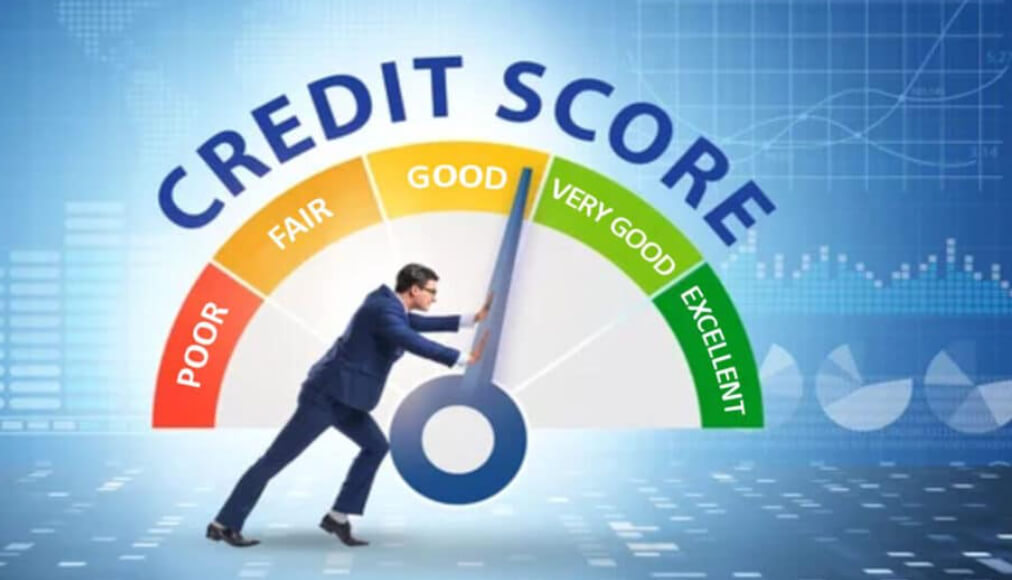
Credit scoring feels mysterious, which is exactly why an industry exists to sell solutions to it. It isn’t mysterious. The factors are published, weighted, and largely within your control — and most of what people pay for could be done free in an afternoon.
What the score is built from
FICO’s standard model weights five categories:
| Factor | Weight | What it means |
|---|---|---|
| Payment history | 35% | On-time payments; late payments, collections, bankruptcies |
| Amounts owed | 30% | Credit utilization — balances relative to limits |
| Length of credit history | 15% | Average and oldest account age |
| Credit mix | 10% | Revolving and installment accounts |
| New credit | 10% | Recent inquiries and newly opened accounts |
Two of these — payment history and utilization — account for 65% of the score. Focus there and largely ignore the rest.
The highest-impact moves, in order
1. Never miss a payment
A single 30-day late payment can drop a good score substantially and stays on the report for seven years. Automate at least the minimum payment on every account. If you have already missed one, call and ask for a goodwill adjustment — on a first offense with a long clean history, creditors sometimes remove it. There is no downside to asking.
2. Get utilization below 30%, ideally under 10%
Utilization is the fastest lever available because it updates monthly rather than aging out over years. Three ways to move it:
- Pay down balances — most direct.
- Request credit limit increases — raises the denominator without new debt. Many issuers allow this with a soft pull; ask first.
- Pay before the statement closes. Issuers report the statement balance, not the balance after your payment. Paying mid-cycle means a lower number gets reported even if you use the card heavily.
Per-card utilization matters too, not just the aggregate. One maxed card among several low ones still hurts.
3. Dispute genuine errors
You are entitled to free reports from all three bureaus at AnnualCreditReport.com — the official site, not the many lookalikes. Errors are common: accounts that aren’t yours, incorrect late payments, duplicate collections, balances that were paid.
Dispute in writing with the bureau and the furnisher, include documentation, and keep records. Bureaus generally must investigate within 30 days. Unverifiable items must be removed.
4. Keep old accounts open
Closing a card shortens your average account age and reduces total available credit — hitting two factors at once. If a card has an annual fee you no longer want, ask to product-change it to a no-fee version rather than closing it.
5. Be strategic about new accounts
Each application produces a hard inquiry with a modest, temporary effect. The larger effect is on average account age. Mortgage, auto and student loan inquiries within a short shopping window count as one — that protection does not extend to credit cards.
Paying off debt: the two strategies
Avalanche — pay minimums on everything, put every extra dollar toward the highest interest rate. Mathematically optimal; saves the most money.
Snowball — pay minimums on everything, attack the smallest balance first. Costs slightly more in interest but produces early wins, and research on behavioral persistence suggests people are more likely to finish.
The best strategy is the one you will actually complete. If you have tried avalanche twice and stalled, run the snowball.
Consolidation tools compared
| Tool | Typical use | Watch out for |
|---|---|---|
| Balance transfer card | 0% intro APR for 12–21 months on credit card debt | Transfer fee of 3%–5%; rate jumps after the intro period; requires good credit |
| Personal loan | Fixed rate, fixed term, consolidates multiple debts | Origination fees; rate depends heavily on credit |
| Home equity loan or HELOC | Lowest rates because secured | Converts unsecured debt into debt secured by your house |
| 401(k) loan | No credit check | Repayment may accelerate if you leave the job; opportunity cost of removed investments |
The common failure with all four is identical: the balances get consolidated, the credit cards get paid to zero, and within eighteen months the cards are full again alongside the new loan. Consolidation solves an interest rate problem. It does not solve a spending problem. If the underlying cash flow doesn’t change, consolidation makes the situation worse, not better.
What to be skeptical of
Credit repair companies cannot legally do anything you cannot do yourself, and cannot remove accurate negative information. Under federal law they cannot charge before performing services or promise specific results. Treat guarantees as a red flag.
Debt settlement companies negotiate to settle debts for less than owed. The process typically requires you to stop paying creditors while funds accumulate — damaging your credit severely, exposing you to lawsuits, and generating forgiven-debt tax consequences. It is sometimes the right call for someone genuinely insolvent, but it is not a credit strategy.
Authorized user schemes that sell “tradelines” on strangers’ accounts range from ineffective to fraudulent.
Free legitimate alternatives: non-profit credit counseling agencies affiliated with the National Foundation for Credit Counseling offer free or low-cost budget counseling and formal debt management plans.
Frequently asked questions
How fast can I raise my score? Utilization changes can show within one or two billing cycles. Late payments, collections and bankruptcies take years to age off. A realistic horizon for meaningful improvement from a mid-range score is three to six months of clean behavior plus utilization reduction.
Does checking my own score hurt it? No. Checking your own credit is a soft inquiry with no effect.
Should I pay off collections? Newer scoring models ignore paid collections, and older ones don’t. If you pay, ask for the agreement in writing first. Also check the statute of limitations in your state — in some cases a payment can restart the clock on a time-barred debt.
Does income affect my credit score? No. Income is not in the credit report or the score, though lenders consider it separately in underwriting.
What’s a good score? Roughly: 740+ gets you the best pricing on most products, 670–739 is solid, below 620 significantly limits options.
Start this week
Pull all three reports free, dispute anything inaccurate, set autopay on every account, and pay your card balances down before the statement closes rather than after. Those four steps cost nothing and produce most of the improvement people pay strangers for.






Be First to Comment